


-

Add: HeBei ShengShi HongBang Cellulose Technology CO.,LTD.
-

Email
13180486930@163.com -

CONTACT US
+86 13180486930
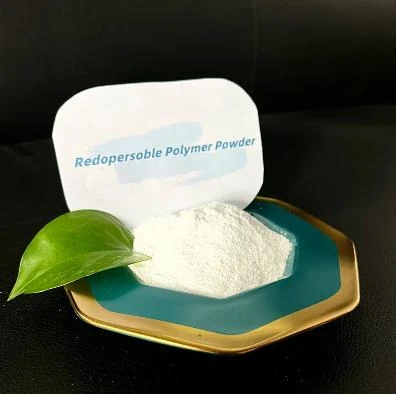

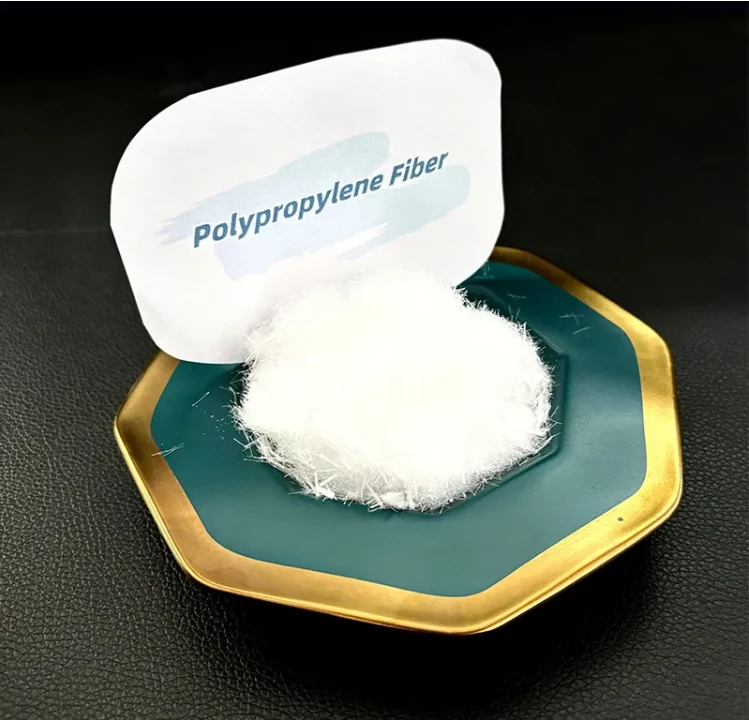


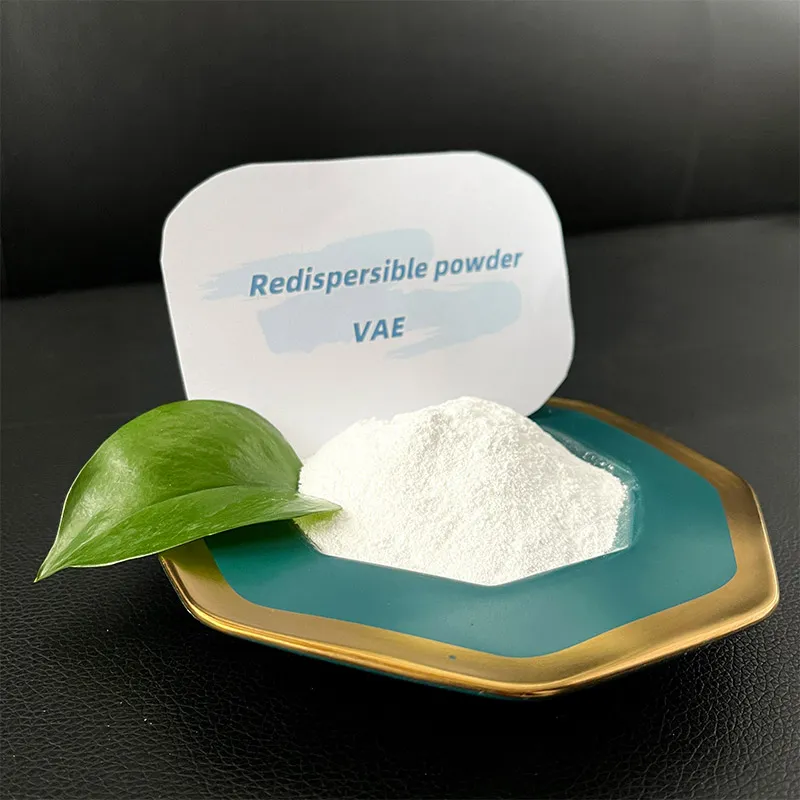
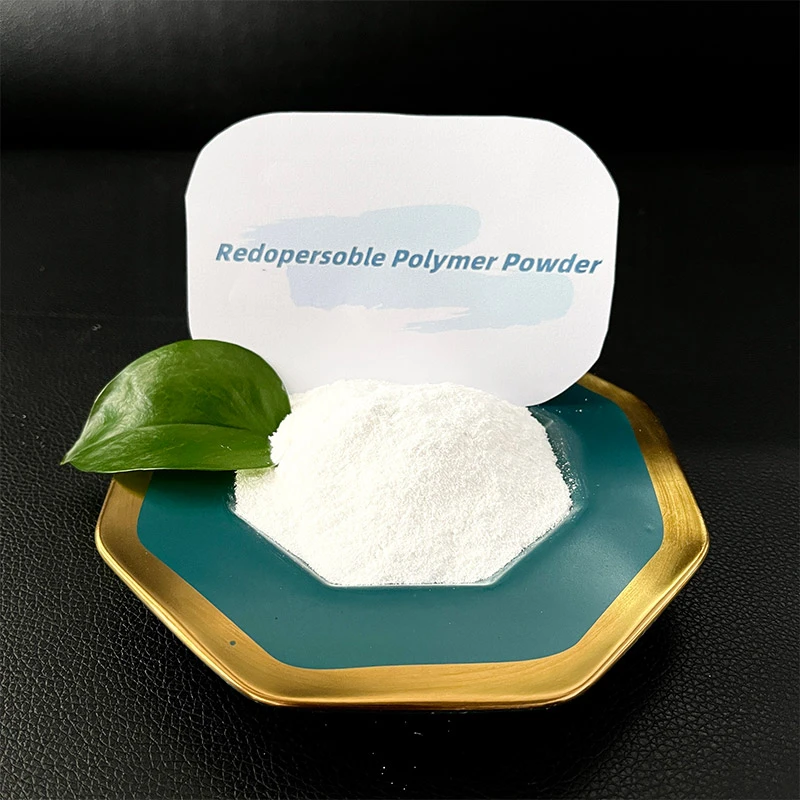
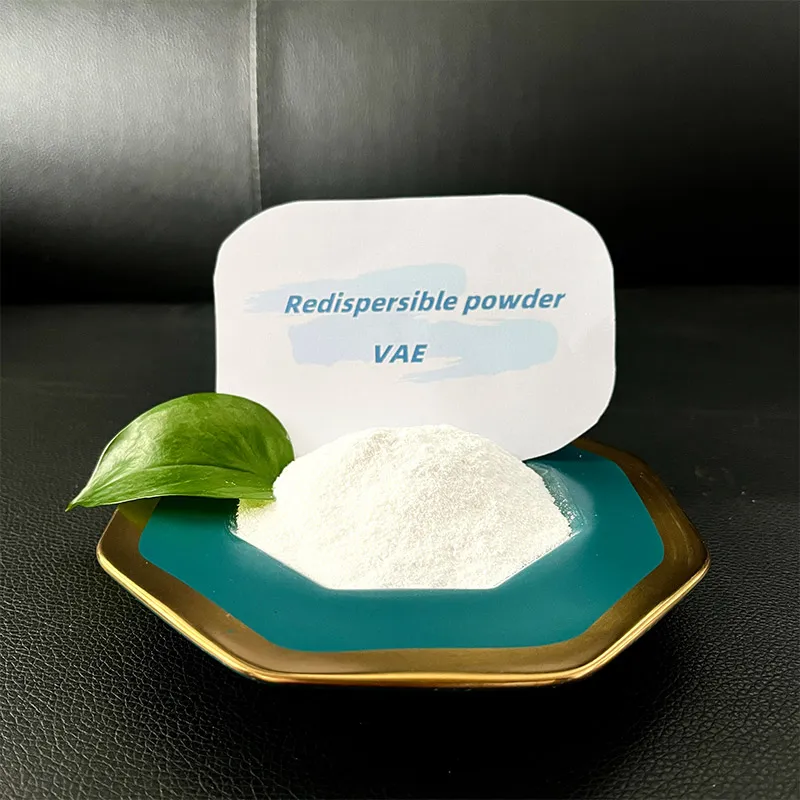
Understanding the Price of Dispersible Polymer Powder Trends and Implications The global market for dispersible polymer powders has seen significant growth over the past few years, driven by various factors including advancements in technology, evolving consumer preferences, and increasing applications across different industries. Dispersible polymer powders are widely used in construction, paints, coatings, adhesives, and even in the cosmetic industry due to their excellent binding properties and ability to create stable emulsions. Understanding the price dynamics of these products is essential for manufacturers, suppliers, and consumers alike. What Are Dispersible Polymer Powders? Dispersible polymer powders are dry powders that can be easily re-dispersed in water to form stable dispersions. They are primarily used to enhance the performance of various formulations in the construction sector, particularly in tile adhesives, mortars, and other construction materials. These polymers improve adhesion, flexibility, and water resistance, making them a vital component in modern construction projects. Factors Influencing the Price of Dispersible Polymer Powder 1. Raw Material Costs The price of dispersible polymer powders is significantly influenced by the cost of raw materials. As oil prices fluctuate, the cost of petroleum-based raw materials can impact production costs for polymer manufacturers. Additionally, the availability of renewable raw materials can also play a crucial role in price determination. . 3. Market Demand The demand for dispersible polymer powders is on the rise due to the increasing construction activities and the growing reliance on high-performance materials. This demand pushes prices upward, especially in regions experiencing rapid urban development. سعر مسحوق البوليمر القابل للتشتت 4. Global Supply Chain Issues Recent global events have highlighted the fragility of supply chains. Disruptions caused by the COVID-19 pandemic, geopolitical tensions, or natural disasters can lead to shortages of raw materials, subsequently increasing prices. These supply chain complexities necessitate careful monitoring and strategic planning by companies involved in the market. 5. Sustainability Trends With an increasing emphasis on sustainability, many companies are investing in producing eco-friendly dispersible polymer powders. While these green alternatives may initially have higher production costs, the long-term benefits and rising consumer demand for sustainable products may justify the higher price point. Current Market Trends As of 2023, the dispersible polymer powder market has experienced moderate growth. Market analysts predict that this trend will continue as developing economies focus on infrastructure development and renovation projects. Moreover, there is a noticeable shift towards higher performance and specialty dispersible polymers, catering to specific applications, which may come at a premium price. Conclusion Understanding the pricing of dispersible polymer powders is crucial for stakeholders across the industry. The interplay of raw material costs, technological advancements, market demand, supply chain dynamics, and sustainability trends shapes the landscape of this market. As the global economy moves forward, it will be important for manufacturers and consumers to remain agile and adapt to these changing trends. For businesses involved in the production or application of dispersible polymer powders, keeping abreast of market trends and pricing dynamics will not only ensure competitiveness but also allow for better strategic planning and investment decisions. Moreover, as sustainability becomes a focal point in various industries, those who invest wisely in eco-friendly alternatives may not only help the environment but also capture a growing segment of environmentally conscious customers.
- 40000tons

Production
- 20+years

Experience
- 5000+㎡

Acreage

-
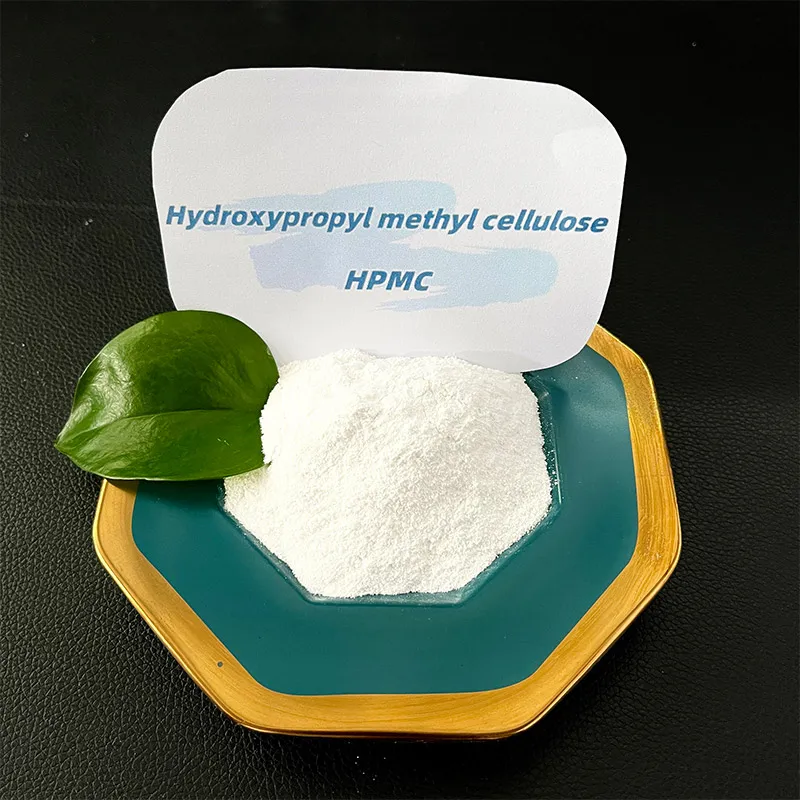
Hydroxypropyl methylcellulose 2208 , a highly versatile compound, stands at the forefront of numerous industrial applications due to its exceptional properties and efficacy. Widely recognized in the fields of pharmaceuticals, food manufacturing, and construction, this compound is celebrated for its ability to encapsulate, bind, and thicken with remarkable efficiency. In the pharmaceutical sector, hydroxypropyl methylcellulose 2208 serves as an essential ingredient in the production of controlled-release formulations. Its unique viscosity and gel-forming capabilities ensure the consistent release of active ingredients, thereby enhancing the therapeutic efficacy of medications. Experienced pharmacists often laud this compound for its stability under various pH conditions, which guarantees maximum absorption in the digestive tract. Clinical trials consistently demonstrate its safety and non-toxicity, reinforcing the trust medical professionals place in its use. In the realm of food technology, hydroxypropyl methylcellulose 2208 is acknowledged as a food additive that optimizes texture and consistency. Its ability to act as an emulsifier and stabilizer is particularly valued in the production of low-fat dairy and bakery products. Culinary experts often highlight its role in improving mouthfeel and extending shelf life, providing a more satisfactory experience for consumers. Given its plant-derived origin, it meets the growing demand for vegetarian and vegan-friendly additives, thereby aligning with modern dietary preferences. hydroxypropyl methylcellulose 2208 The construction industry finds hydroxypropyl methylcellulose 2208 indispensable, especially in cement-based applications. As a highly effective water retention agent and workability enhancer, it improves the adhesion and durability of mortars and plasters. Professional builders and craftsmen appreciate its contribution to reducing shrinkage and cracking, ultimately leading to more robust and long-lasting structures. Technical data consistently supports its superior performance in high-stress environments, making it a go-to choice for industry leaders aiming to achieve excellence and innovation. From an environmental perspective, hydroxypropyl methylcellulose 2208 is a compound that shines. Being biodegradable and derived from natural sources, it meets the sustainability criteria that modern industries strive for. Environmental scientists and sustainability experts commend its role in reducing carbon footprints and promoting eco-friendly industrial practices. Its integration into sustainable product lines showcases how advances in material science can align with global efforts to protect the planet. Overall, hydroxypropyl methylcellulose 2208 is a testament to scientific advancement and industrial versatility. Through extensive research and real-world application, it commands respect and trust across various sectors. Its continuous evolution and adaptability resonate with industry experts who are committed to excellence in their fields. As global trends continue to push for innovation and sustainability, hydroxypropyl methylcellulose 2208 remains a key player, inspiring confidence with its authoritative presence and trusted solutions.
-

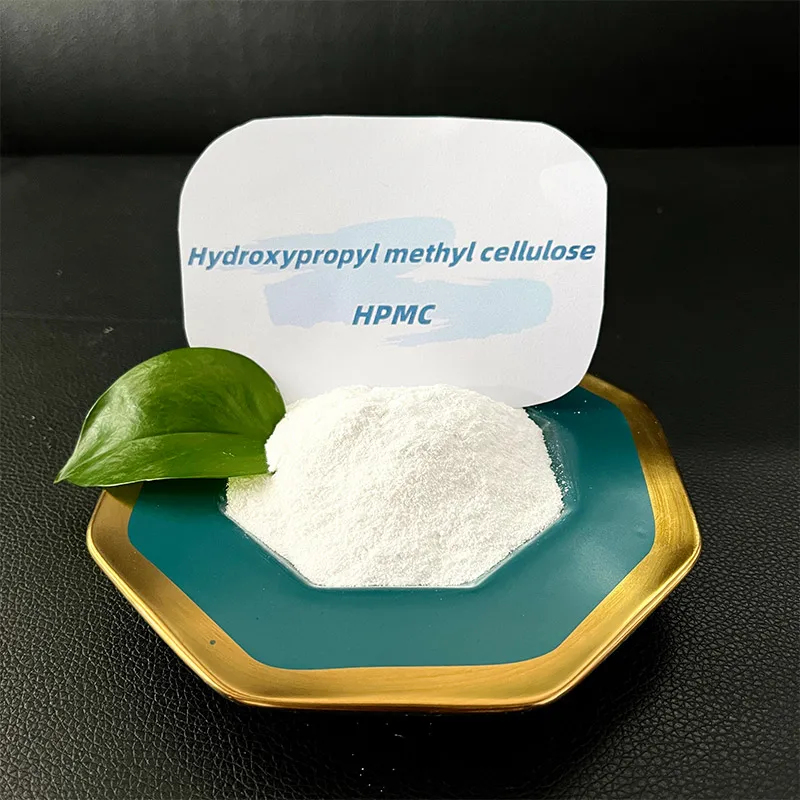
Hydroxypropyl methylcellulose (HPMC) , often celebrated for its multifunctional prowess, is a cellulose-based polymer valued across diverse industries due to its unique combination of properties. Traditionally rooted in the pharmaceutical and construction sectors, HPMC has transcended its conventional roles and is now pivotal in cosmetics, food technology, and even sustainable packaging solutions. In pharmaceuticals, HPMC's renown stems from its role as an excipient. Its ability to control the release rate of active ingredients elevates it to an indispensable component in controlled-release formulations. Moreover, it serves as a disintegrant in tablet formulations, ensuring rapid dissolution and absorption in the digestive tract. For patients, this translates to enhanced therapeutic outcomes and improved medication adherence. Transitioning to the construction industry, HPMC excels as a vital additive in dry mortar products. It enhances water retention and workability of cement-based materials, a boon for masons aiming for superior finish and bond strength. Its ability to efficiently hold water mitigates premature drying, leading to fewer cracks and defects in cured mortars. This, in turn, reduces the need for rework, saving costs and ensuring the longevity of construction projects. In the realm of cosmetics, HPMC's contribution as a thickening and emulsifying agent enables the development of myriad beauty and personal care products. Its non-toxic nature and skin-friendly properties make it ideal for shampoos, creams, and lotions. Consumers often laud these products for their smooth application and enhanced aesthetic appeal, attributed largely to HPMC's uniform consistency and stability. hydroxypropyl methylcellulose uses The food industry further benefits from HPMC's versatility. It functions as a vegetable-derived emulsifier and stabilizer, ideal for vegan and vegetarian products. In gluten-free baking, HPMC's role in mimicking gluten properties ensures that baked goods maintain moisture, structure, and palatability. This not only broadens options for those with dietary restrictions but also enhances the culinary experience for all consumers. HPMC’s role in sustainable packaging presents a fascinating development. As industries pivot towards eco-friendly solutions, HPMC is being explored for biodegradable film coatings, which can replace traditional petroleum-based plastics. This aligns with global ecological goals, addressing environmental concerns while maintaining functional integrity. Analysts and experts underscore the significant impact of HPMC's low allergenic potential and biocompatibility across applications, ensuring consumer trust and product safety. Its authoritative presence in multiple regulatory approvals further solidifies its reliability, instilling confidence among manufacturers and end-users alike. Looking forward, HPMC's scope continues to expand, supported by ongoing research and innovation, challenging manufacturers to harness its full potential. For businesses leveraging HPMC in product formulations, the key lies in understanding its multifaceted applications, integrating them thoughtfully to cater to evolving consumer demands. By doing so, companies not only capitalize on the robust capabilities of HPMC but also position themselves as leaders in sustainable and consumer-friendly solutions. Through strategic partnerships and continuous exploration, the future of HPMC promises even more groundbreaking contributions across various sectors.
advantages
-

200000 Viscosities
Excellent product
We can produce pure products up to 200,000 viscosities
-

40000 tons
High yield
We don’t stop production all year round, and the annual output can reach 40,000 tons
-

24 hours
Quality service
We provide 24-hours online reception service, welcome to consult at any time
———— Inquiry Form
Schedule A services

-
 cout_de_la_fibre_de_polypropylene_par_kg
Oct . 25, 2025
Hydroxypropyl Methylcellulose (HPMC) sheets are increasingly recognized for their versatile applicat -
 polypyrrole_powder
Oct . 25, 2025
The Versatility of Fiber An Insight into Polyester and Polypropylene In today's world, the significa - difference_between_hpmc_and_cmc
Oct . 25, 2025
The world of construction and industrial materials is constantly evolving, and the demand for innova


